
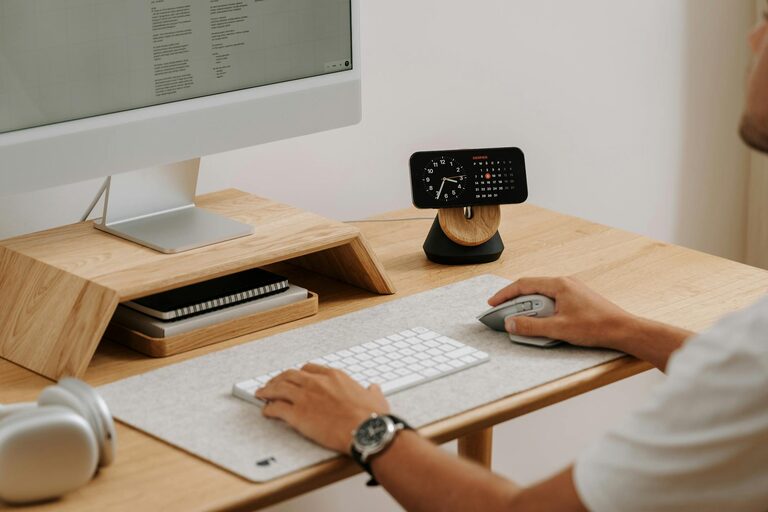

Creating a productive home office environment is essential for anyone working remotely or spending significant time at home on professional tasks. A well-designed workspace can improve focus, reduce distractions, and increase your overall efficiency. Whether you’re setting up a home office for the first time or looking to refresh your current space, these tips will help you create a comfortable and productive working environment.
1. Choose the Right Location
Selecting the right spot for your home office is the first step. Ideally, pick a quiet area away from high-traffic zones in your home to minimise interruptions. A spare room can be perfect, but if that’s not possible, designate a consistent corner or nook just for work.
Consider natural light
Natural light helps regulate your body clock and can enhance your mood and alertness. Position your desk near a window if possible, but avoid glare on your computer screen. If natural light is limited, invest in quality artificial lighting that mimics daylight.
2. Invest in Comfortable and Ergonomic Furniture
Spending long hours at a desk requires furniture that supports your posture and comfort.
– Desk: Choose a desk with enough space for your computer, paperwork, and other essentials.
– Chair: Invest in an ergonomic office chair with adjustable height, lumbar support, and comfortable cushioning.
– Monitor setup: Position your monitor at eye level to reduce neck strain. Consider a monitor stand or adjustable arm.
Remember, comfort directly impacts productivity, so don’t compromise on ergonomic furniture.
3. Keep Your Workspace Organised
Clutter can be distracting and impede your ability to focus.
– Use organisers, trays, or drawers to store stationery and documents.
– Keep only essential items on your desk.
– Regularly declutter your workspace to maintain a clean, tidy environment.
A well-organised desk helps create a calm, stress-free atmosphere conducive to productive work.
4. Minimise Distractions
Distractions can seriously reduce productivity. Here are ways to keep them in check:
– Inform family members or housemates of your working hours to minimise interruptions.
– Use noise-cancelling headphones or soft background music to drown out household noise.
– Turn off non-work-related notifications on your devices.
– Consider installing apps or browser extensions that limit access to distracting websites during work hours.
Creating boundaries between work and home life will help you stay on task.
5. Personalise Your Space
Adding some personal touches can make your office feel welcoming and motivate you to work.
– Add plants for a touch of greenery and improved air quality.
– Use colours, artwork, or accessories that inspire you without overwhelming the space.
– Keep motivational quotes or photos that encourage productivity nearby.
A personalised space can boost morale and make work more enjoyable.
6. Ensure Adequate Technology and Connectivity
Reliable technology is vital for smooth working.
– Choose a high-speed internet connection to avoid disruptions during calls or file downloads.
– Use up-to-date software and hardware that meet your work needs.
– Consider backups like external hard drives or cloud storage to prevent data loss.
A well-equipped workspace reduces frustration and supports your daily tasks.
7. Implement a Routine and Take Breaks
Your environment plays a big role, but so does how you use it.
– Set a regular work schedule and stick to it.
– Include short breaks every hour to stretch, move, and rest your eyes.
– Use techniques like the Pomodoro Method (25 minutes work, 5 minutes break) to maintain focus and energy.
Building healthy work habits complements a well-designed workspace for maximum productivity.
8. Optimise Lighting and Temperature
Comfort isn’t just about furniture.
– Apart from natural and artificial light, adjust lighting levels to avoid eye strain.
– Maintain a comfortable temperature in your workspace; too hot or too cold can be distracting.
– Consider fans, heaters, or humidifiers as necessary based on your environment’s climate.
These details enhance your ability to concentrate for longer periods.
9. Create Clear Boundaries Between Work and Home Life
Working from home can blur the lines between professional and personal time.
– Use a separate workspace that you leave at the end of the day.
– Avoid working in bed or on the sofa if possible.
– Establish rituals to start and finish your working day, such as changing clothes or going for a short walk.
This separation helps improve work-life balance and prevents burnout.
—
By paying attention to these aspects of your home office, you can create an environment that fosters productivity, comfort, and well-being. Small changes often make a big difference, so start with what’s feasible and gradually improve your space. A productive home office is key to enjoying remote work and achieving your professional goals.