
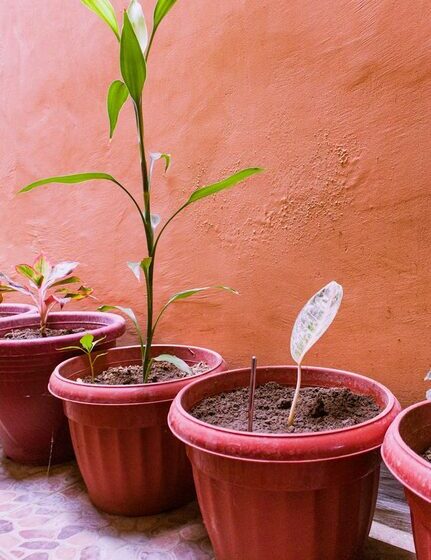

Creating a sustainable home garden is a rewarding way to enjoy fresh produce, support local biodiversity, and reduce your environmental footprint. By adopting sustainable practices, you ensure that your garden thrives all year round while conserving resources. This guide offers useful tips to help you design and manage a sustainable garden through each season.
Why Choose a Sustainable Garden?
A sustainable garden focuses on using natural processes and materials that are gentle on the environment. It involves growing plants in ways that maintain soil health, reduce waste, and save water. Beyond benefiting nature, a sustainable garden can lower your grocery bills, improve your wellbeing, and provide habitat for wildlife such as bees, butterflies, and birds.
Planning Your Garden for Year-Round Growth
1. Select Native and Adapted Plants
Plants that are native or well-suited to your local climate need less water, fertilizer, and pest control. Research plants that thrive naturally in your area and include a variety of flowers, herbs, vegetables, and shrubs. This diversity helps prevent disease and attracts beneficial insects.
2. Design for Seasonal Interest and Productivity
Map out your garden to include plants with staggered growing seasons. For example, plant early spring greens, summer vegetables, autumn fruiting bushes, and winter-hardy herbs. Companion planting, where certain plants support each other’s growth, can also increase yields and reduce pests.
Soil and Composting
3. Build Healthy Soil Naturally
Healthy soil is the foundation of a sustainable garden. Avoid synthetic fertilisers and instead add organic matter such as compost, leaf mulch, or well-rotted manure. These amendments improve soil structure, water retention, and nutrient availability.
4. Start Composting at Home
Composting garden waste and kitchen scraps reduces landfill and produces nutrient-rich humus. Use a compost bin or simple heap to recycle vegetable peels, grass clippings, coffee grounds, and paper products. Remember to balance green materials (nitrogen-rich) with brown materials (carbon-rich) for effective decomposition.
Water Conservation Techniques
5. Collect and Use Rainwater
Installing water butts to catch rainfall is a sustainable way to irrigate your garden. Rainwater is free of chemicals and gentle on plants. Position water butts beneath downpipes and use watering cans or drip irrigation systems to water efficiently.
6. Mulch to Retain Moisture
Apply a layer of organic mulch, such as bark chips or straw, around your plants. Mulching reduces evaporation, suppresses weeds, and keeps soil temperatures stable, especially during hot or dry spells.
7. Water Wisely
Water your garden early in the morning or late in the evening when evaporation rates are low. Focus on the base of plants rather than leaves to prevent fungal diseases. Group plants with similar water needs to avoid waste.
Managing Pests and Encouraging Wildlife
8. Use Natural Pest Controls
Encourage beneficial insects by growing flowers like marigolds, lavender, and nasturtiums. These attract predators such as ladybirds and lacewings that feed on pests. Avoid chemical pesticides that harm soil health and non-target species.
9. Create Habitats for Wildlife
Provide birdhouses, insect hotels, and log piles to offer shelter. A pond or water feature can support amphibians and insects. Supporting biodiversity helps maintain a balanced ecosystem in your garden.
Year-Round Maintenance Tips
10. Rotate Crops Annually
Changing the location of vegetable families each year reduces soil nutrient depletion and limits pest buildup. For example, follow legumes with leafy greens and then root vegetables.
11. Extend the Growing Season
Use cloches, cold frames, or polytunnels to protect plants from frost and increase productivity. These structures trap warmth and shelter plants, allowing you to grow fresh food even in colder months.
12. Save Seeds for Next Season
Collect seeds from open-pollinated plants to grow your own healthy seedlings year after year. Seed saving reduces reliance on commercial packets and preserves plant varieties adapted to your garden.
Enjoying the Rewards
A sustainable home garden is not only about growing food but also enjoying the process and connecting with nature. Spend time observing how plants grow, insects interact, and the seasons change. Celebrate the fruits of your labour by preparing simple meals from your harvest and sharing gardening experiences with family or friends.
—
By following these tips, you can create a thriving, sustainable home garden that nurtures both your wellbeing and the planet throughout the year. Happy gardening!